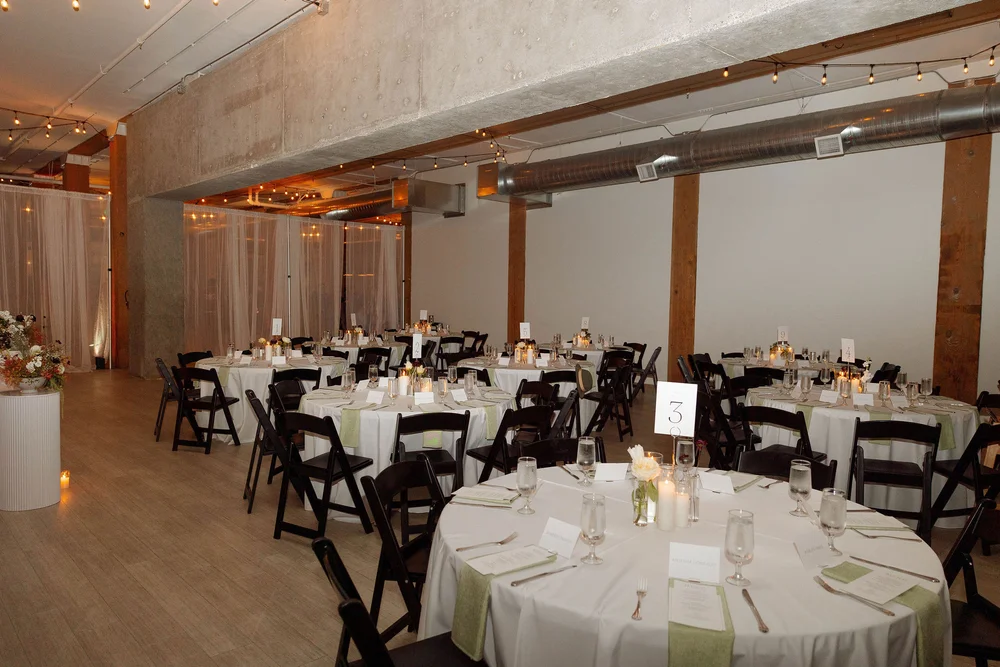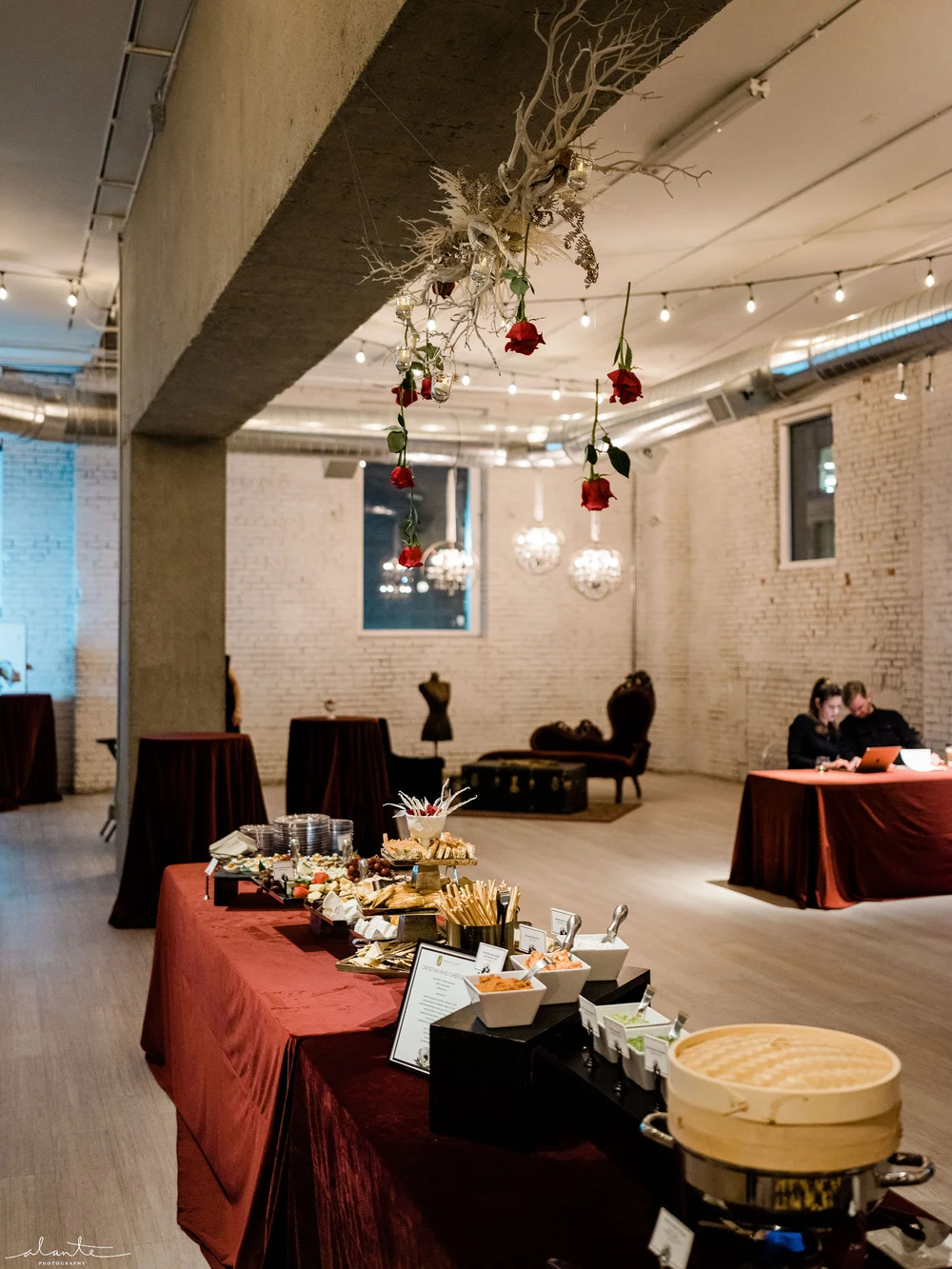
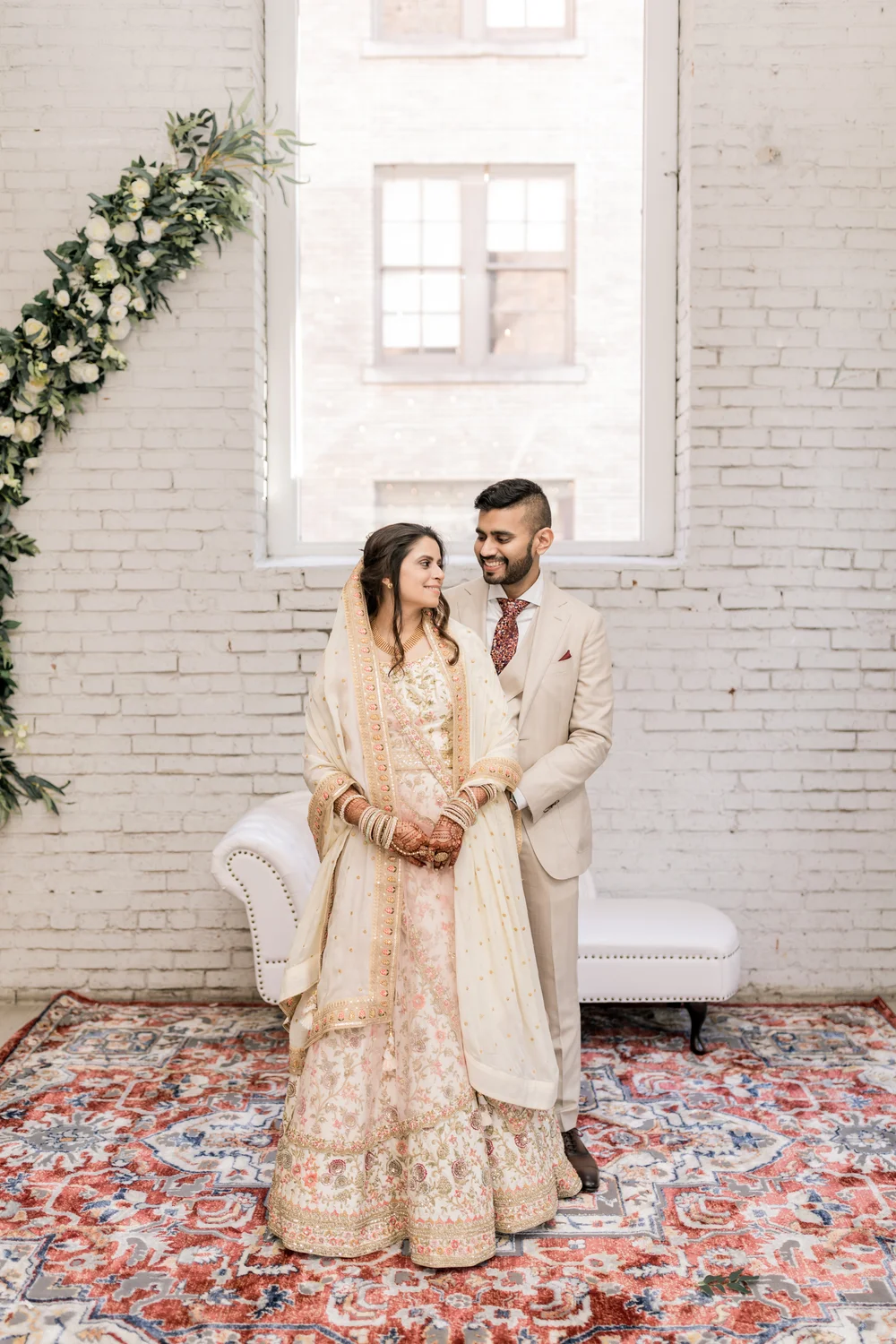
Planning a wedding that honors culture, heritage, and family traditions is one of the most meaningful (and exciting!) ways to celebrate your love story. In a vibrant, globally connected city like Seattle, cultural and multicultural weddings are more common — and more beautiful — than ever.
Across the U.S., multicultural marriages continue to rise, meaning more couples are blending traditions, families, and identities into one unforgettable celebration. For many couples, the challenge isn’t choosing between cultures — it’s figuring out how to celebrate both while still creating a day that feels uniquely theirs.
Whether you’re planning a deeply traditional ceremony, a fusion wedding that blends multiple heritages, or a modern celebration with meaningful cultural elements, this guide covers everything — from traditions and timelines to venue considerations and guest experiences. If you’re dreaming of a culturally rich wedding in downtown Seattle, venues like THE 101 offer the flexibility and atmosphere needed to bring these meaningful celebrations to life.
What Is a Cultural or Multicultural Wedding?
Cultural weddings come in many forms, and no two celebrations look exactly the same. In general, most fall into three categories:
Type 01
Cultural Wedding
Follows traditions from one cultural background — ceremonial rituals, attire, music, and cuisine reflecting a single heritage.
Type 02
Multicultural Wedding
Combines traditions from two or more cultural backgrounds, often representing the families of both partners.
Type 03
Blended or Fusion Wedding
Couples choose the traditions that feel most meaningful rather than following every customary element from any one culture.
The beautiful truth? There’s no “correct” way to do it. Your wedding should honor the people, stories, and traditions that shaped you — in whatever form feels most authentic.
Some couples host a fully traditional ceremony followed by a modern reception. Others incorporate multiple rituals into one ceremony. It’s also common to see food from both families’ cultures, two ceremony outfits, multiple officiants or blessings, and cultural music and dances woven throughout the evening.
Types of Cultural Weddings — Traditions Worth Knowing
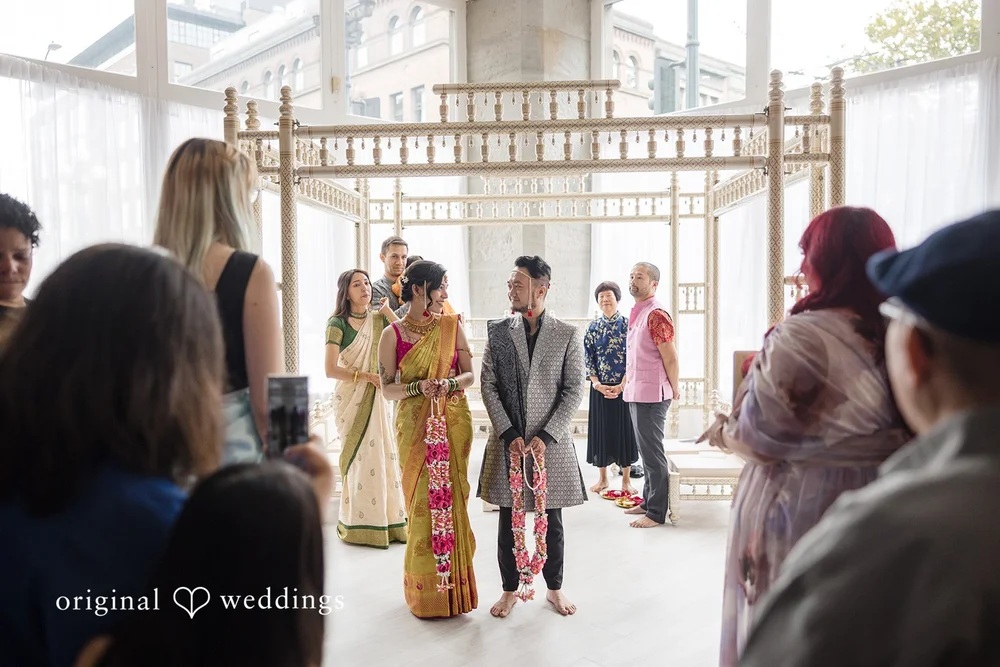
If you’re planning a multicultural wedding in Seattle, understanding different traditions can help you build a timeline, venue layout, and guest experience that flows smoothly. Here are the cultural wedding traditions couples most often incorporate at THE 101.
South Asian Weddings
Indian · Pakistani · Sri Lankan
- —Mehndi ceremony — intricate henna art
- —Baraat — lively groom’s procession with music and dancing
- —Mandap — ceremonial structure for the wedding ceremony
- —Pheras — sacred circling of a fire
- —Often span several days — flexible layouts essential
Jewish Weddings
Ashkenazi · Sephardic · Modern
- —Ketubah signing — ceremonial marriage contract
- —Chuppah — ceremony under a canopy symbolizing the new home
- —Hora — lively dance where the couple is lifted in chairs
- —Breaking of the glass — concludes the ceremony
- —Transitions quickly from ceremony to energetic dancing
Chinese & Chinese-American Weddings
Traditional · Modern · Fusion
- —Tea ceremony — honoring parents and elders
- —Red color symbolism — representing luck and joy
- —Multi-course banquet meals shared with all guests
- —Outfit changes throughout the celebration
Nigerian & West African Weddings
Yoruba · Igbo · Owambe
- —Introduction ceremony — families formally meet
- —Aso-ebi — coordinated traditional fabric worn by guests
- —High-energy dance floors and live music
- —Owambe — unforgettable party atmosphere
- —Often require large dance floors and extended hours
Filipino Weddings
Catholic · Traditional · Modern
- —Veil, cord, and coins ceremony — symbolizing unity and prosperity
- —Money dance — guests pin money to the couple
- —Large family participation throughout the ceremony
Latinx Weddings
Mexican · Colombian · Pan-Latin
- —Lazo — a symbolic rope placed around the couple
- —Arras coins — representing prosperity and shared responsibility
- —Padrinos system — family and friends as ceremony sponsors
Persian Weddings
Iranian · Zoroastrian · Modern
- —Sofreh Aghd — ceremonial spread with symbolic items for love and prosperity
- —Sugar cones rubbed together above the couple
- —Mirror and candle symbolism
- —Richly detailed ceremonial décor
LGBTQ+ Multicultural Weddings
Inclusive · Blended · Modern
- —Many LGBTQ+ couples reinterpret cultural traditions to reflect both heritage and identity
- —Adapting ceremonial roles to feel authentic to the couple
- —Blending rituals from different cultures
- —Modernizing traditions while honoring their meaning
What to Look for in a Cultural Wedding Venue in Seattle
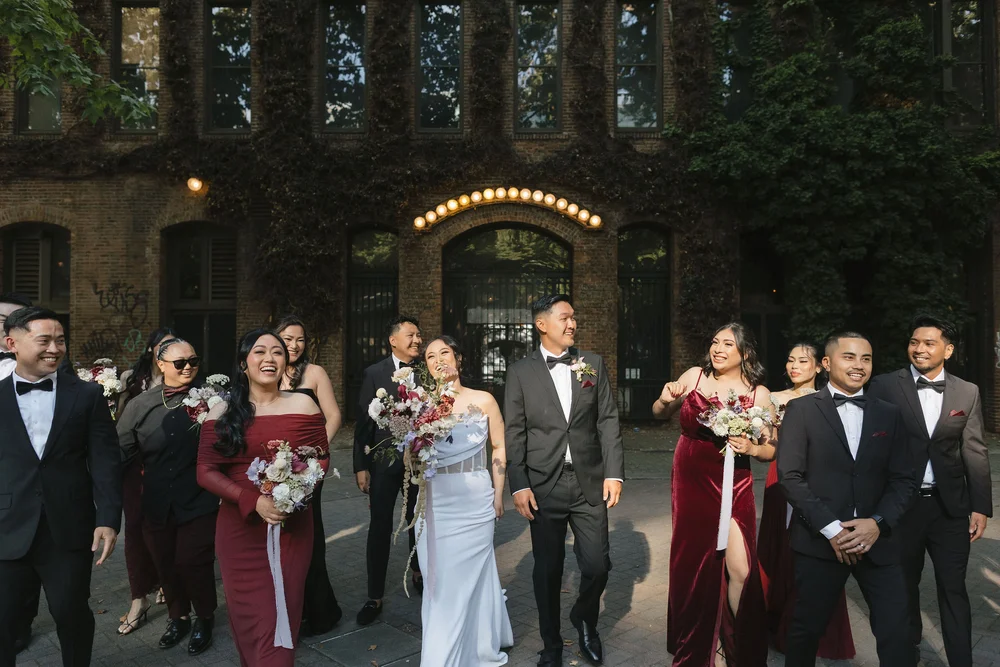
Choosing the right cultural wedding venue in Seattle is one of the most important decisions when planning a multicultural celebration. Spaces like THE 101 are especially valuable because of their flexibility to accommodate diverse traditions. Here’s what to look for when touring venues.
✦
Flexible Layouts
Look for spaces that can accommodate:
- · Mandaps and chuppahs
- · Ceremony stages and altars
- · Large dance floors
- · Multiple seating configurations
✦
Space for Cultural Structures
Traditional structures like a mandap, chuppah, or Sofreh Aghd table require dedicated space and thoughtful placement. Ask venues how they’ve accommodated these before.
✦
Sound & Music Policies
Confirm venue policies on:
- · Live bands and cultural instruments
- · Extended DJ hours
- · Local noise ordinances
✦
Catering Flexibility
Some venues, like THE 101, allow outside caterers — which makes a significant difference for halal, kosher, vegetarian, and culturally specific menus.
✦
Dressing Room Capacity
Outfit changes are extremely common in cultural weddings. Ensure your venue offers a suite where couples and families can comfortably prepare and change throughout the day.
✦
Multi-Day Capability
Many traditions span multiple days. Look for venues offering 24-hour rentals or multi-day booking options to accommodate pre-wedding events like Mehndi nights.
Cultural Wedding Ceremony & Timeline Planning
Cultural weddings often run longer than traditional Western ceremonies — and that’s perfectly okay. Many celebrations include multiple ceremonies, family blessings, cultural rituals, and extended processions. When planning your timeline, always build in extra buffer time so vendors, photographers, and family members can stay aligned.
01
Single-Culture One-Day Wedding
- Ceremony: 45–90 minutes
- Cocktail hour with cultural elements
- Reception with cultural dances and food
- Photographer briefed on key traditions
02
Two-Culture Fusion Wedding
- Ceremony blending rituals from both traditions
- Short cultural explanations for guests
- Reception featuring both food styles
- Music from both cultural backgrounds
03
Multi-Day Celebration
- Day 1: Welcome party or Mehndi night
- Day 2: Main ceremony and rituals
- Day 3: Reception or cultural celebration
- 24-hour venue rentals essential
Design, Décor & Atmosphere
Cultural weddings are visually stunning because colors and design often carry deep symbolic meaning. Working with a venue team that welcomes cultural creativity makes execution significantly smoother.
- Red — symbolizes prosperity and luck in Chinese and South Asian weddings
- Green — significant in Islamic and many West African traditions
- Gold — symbolizes wealth and celebration across many cultural traditions
Lighting can transform the atmosphere — from the sacred stillness of a ceremony moment to the high energy of a dance floor. Floor plans should support traditions: guests seated around a mandap, ceremony focal points like a Sofreh table, and dance floors large enough for the hora, bhangra, or Azonto dancing.
In multicultural weddings, consider providing programs or signage explaining each tradition — it allows guests from different backgrounds to fully appreciate and participate in every moment of the celebration.
Food, Entertainment & Guest Experience
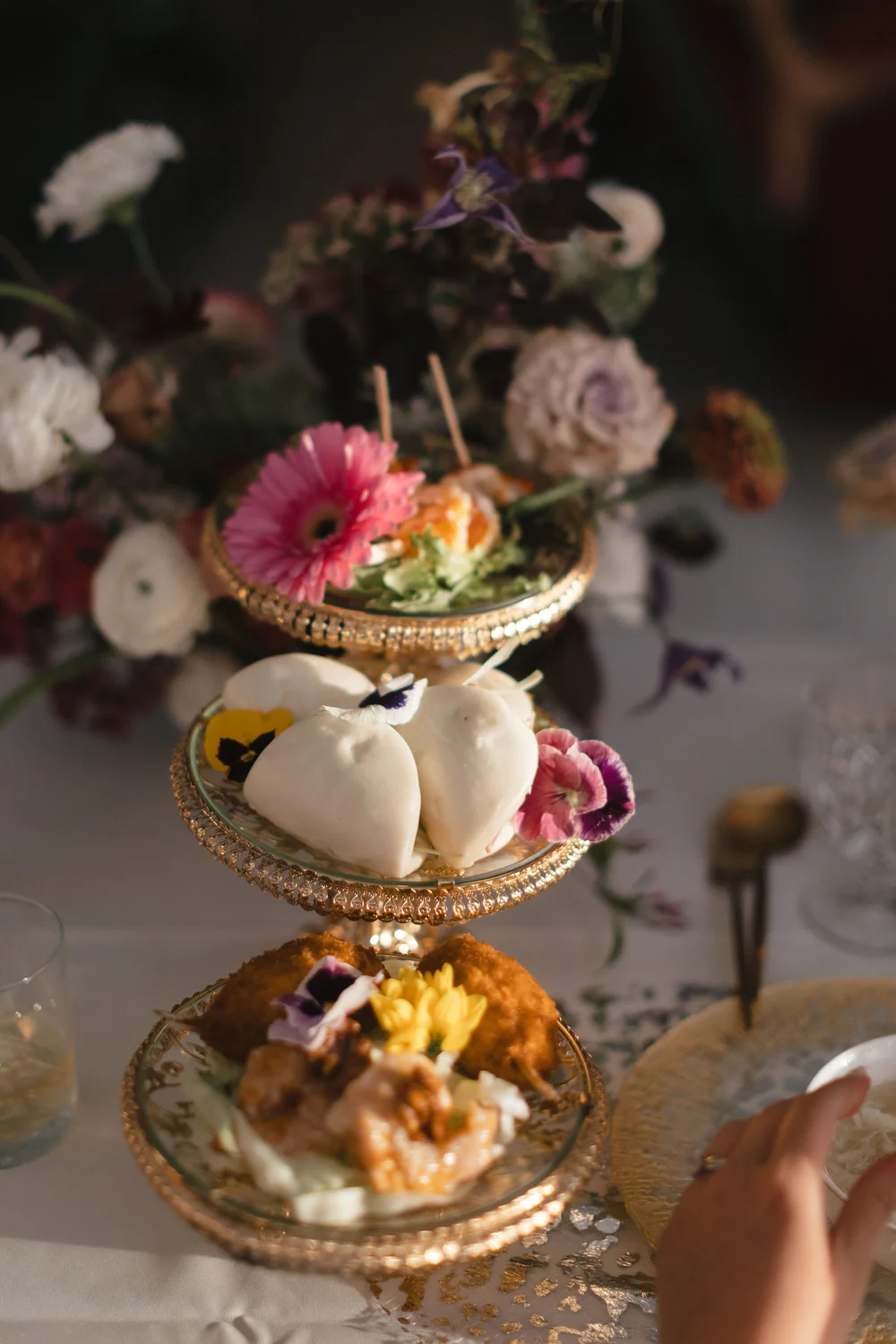
Food and entertainment are often the most memorable parts of cultural weddings. Many celebrations include multi-course meals, family-style dining, cultural desserts, and interactive food stations. Entertainment varies widely by tradition — from bhangra dancing at South Asian weddings and the hora at Jewish celebrations, to Azonto and Afrobeats at West African receptions and the Money Dance at Filipino events.
Thoughtful hospitality touches — like welcome bags featuring cultural snacks or programs that explain each tradition — make guests from different backgrounds feel especially included and cared for.
Planning a Cultural Wedding in Seattle
One of the best things about planning a multicultural wedding in Seattle is the city’s incredible diversity. The region is home to vibrant South Asian, East African, Filipino, Chinese, Jewish, Latinx, Persian, and West African communities, among many others. Because of this, Seattle also has a strong network of culturally experienced wedding vendors — from caterers and florists to officiants and photographers who have worked with your traditions before.
When searching for a cultural wedding venue in Seattle, ask these questions:
- Have you hosted weddings with our traditions before?
- Are outside caterers allowed for culturally specific cuisine?
- Can the layout accommodate mandaps, chuppahs, or other ceremonial structures?
- Are extended or multi-day celebrations possible?
Venues with adaptable layouts and experienced teams — like THE 101 in Seattle — can make the entire planning process smoother from the first inquiry through the final dance.
Your Wedding Should Reflect Your Story
At the end of the day, cultural weddings are about celebrating where you come from while creating something new together. Whether you incorporate centuries-old traditions, blend multiple cultures, or create entirely new rituals, your wedding should feel authentic to your relationship and your families.
The right venue will support that vision — not limit it. If you’re planning a cultural or multicultural wedding in Seattle, schedule a tour at THE 101 to explore how the space can adapt to your celebration.
Frequently Asked Questions
Q: What is a multicultural wedding?
A: A multicultural wedding is a celebration that incorporates traditions, rituals, attire, food, or music from two or more cultural backgrounds — typically representing the heritages of both partners and their families. This can range from a fully blended ceremony that weaves elements from both cultures together, to a two-part celebration where each culture gets its own dedicated moment. There’s no single formula — the approach is as unique as the couple celebrating.
Q: What should I look for in a cultural wedding venue in Seattle?
A: The most important factors are layout flexibility, space for cultural structures like mandaps, chuppahs, or a Sofreh Aghd table, an open vendor policy for culturally specific catering, sound policies that support live music and extended celebrations, and dressing room capacity for outfit changes. THE 101 in Seattle offers a fully flexible open layout, an open vendor policy, 24-hour and multi-day rental options, and a team with experience hosting diverse cultural celebrations.
Q: How do you plan a multicultural wedding with two different traditions?
A: Start by deciding which traditions feel most meaningful to both partners and their families — you don’t need to include every element from both cultures. Build your timeline around the traditions you’ve chosen, allowing extra buffer time for rituals, processions, and outfit changes. Work with a venue that can reconfigure for different setups, and consider providing programs or signage for guests unfamiliar with certain traditions. 828 Planning has experience coordinating multicultural weddings and can help you navigate the logistics.
Q: Does THE 101 in Seattle host cultural and multicultural weddings?
A: Yes — THE 101 has hosted South Asian weddings, Persian celebrations, Chinese-American weddings, LGBTQ+ multicultural ceremonies, and many other cultural and fusion events. The venue’s open layout can accommodate mandaps, chuppahs, Sofreh Aghd spreads, large dance floors, and multi-station dining setups. The open vendor policy means you can bring in culturally specific caterers, and 24-hour and multi-day rentals make pre-wedding events like Mehndi nights possible.
Q: How long does a cultural wedding ceremony typically last?
A: It varies widely by tradition. A single-culture ceremony can run 45–90 minutes, while a fusion ceremony blending two traditions may run 90–120 minutes. South Asian and West African weddings often include multi-day celebrations with the main ceremony day lasting 6–8 hours or more. Jewish ceremonies are typically 30–45 minutes but transition immediately into high-energy dancing. Always build buffer time between elements so vendors, photographers, and family members can stay aligned without the schedule feeling rushed.
THE 101 · Seattle, WA
Every Culture is Welcome Here
Schedule a tour and explore how THE 101’s flexible space can adapt to your cultural wedding vision — whatever form that takes.